
Everyday Objects as Memory
The Museum of InnocenceThis flow traces how ordinary things become emotional records and how Kemal’s collecting develops into a way of telling the story.
increasing Bearing strength in each event
 decreasing
Bearing strength in each eventdecreasingThe Earring as a Token

The Earring as a Token
A small object retained
Kemal keeps Füsun’s lost earring rather than setting it aside. The object becomes a material link to their first days together, carrying a meaning its owner does not yet know.
Memory begins in accident
The earring’s significance grows through repetition, loss, and attempted return. Its changing role shows how an ordinary possession can gather a narrative around it.
Objects Soothe Absence

Objects Soothe Absence
The collection as medicine
Kemal handles Füsun’s ruler, cigarette ends, cups, and other belongings while waiting for her. He treats them as temporary remedies for longing.
Memory is not recovery
The comfort does not release him from grief. Instead, each object sends him back into memories and makes the missing person more present in imagination.
Things Enter the Routine

Things Enter the Routine
Objects embedded in family life
Kemal collects items from the Keskin household while sharing its dinners and television routines. A saltshaker, handkerchief, or cigarette butt can preserve a particular evening.
Repetition makes meaning
The objects matter not only because Füsun touched them but because they belong to a recurring domestic world. Their accumulation records the passage of years without making the lovers’ situation advance.
The House as Archive
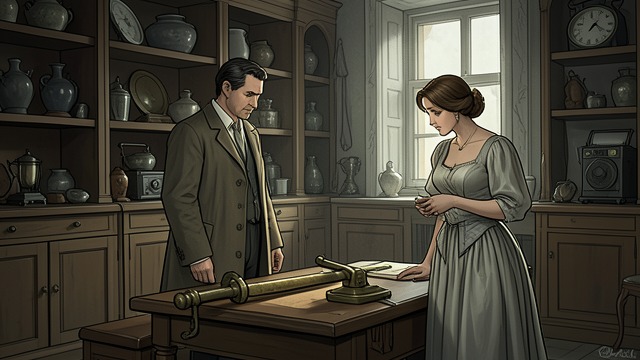
The House as Archive
A building holds a life
Kemal acquires the Keskin building and gathers its household objects with the keepsakes stored at the Merhamet Apartments. The home becomes an archive of a shared and interrupted life.
Private memory made visible
Objects once hidden from others are arranged for public attention. The museum turns Kemal’s private shame into a form of testimony.
A Catalog of Love

A Catalog of Love
Story through objects
Kemal asks Orhan Pamuk to narrate the story in the order and spirit of the collection. The book explains why each object belongs in the museum and what memory it carries.
Attention as devotion
Kemal ultimately describes love as sustained attention to another person and to the details of a shared life. The catalog makes that attention legible to strangers.
May 1975
Summer 1975
1976–1984
After 1984
After 1990
